The Bathla crossroads of Alceon and Centuria Bass
One property development, two very different characterisations…

The Australian private credit peat fire smoulders on – only the disclaimer du jour has changed. In the eye of the SaaSpocalypse six months ago, defiant private credit managers insisted, "We don't do corporate lending!"[[Now, anyone in the traditional corporate lending part of private credit is bragging, "We don't do real estate!"]] That has now shifted to, "We're not in Bathla!"
One private credit manager that sadly can't say "We're not in Bathla" is the failed developer's third-largest lender, Centuria Bass Credit. It is owed approximately $250 million, behind only CVS Lane and PAG, and last month gated redemptions and closed new applications on two Bathla-exposed wholesale funds. Shares in Centuria Bass's ASX-listed parent, Centuria Capital Group, are down 45 per cent since mid-June.
There is a real Choose Your Own Adventure gamebook in the respective Bathla experiences of Centuria Bass and Alceon, the investment house of former Babcock & Brown CEO Phil Green, his fellow Babcock alumnus Trevor Loewensohn and ex-Macquarie banker Morris Symonds.
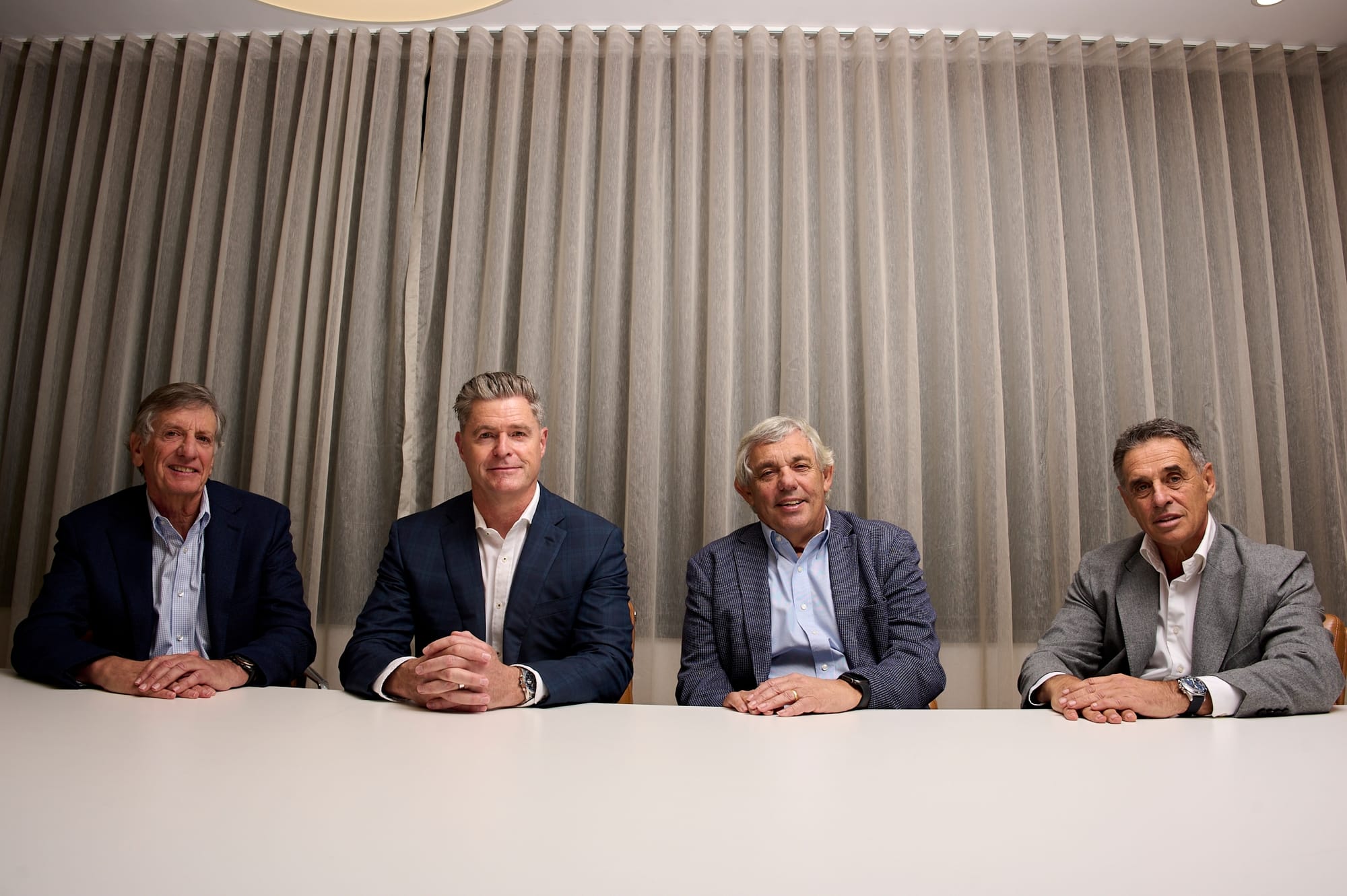
In November last year, Alceon was at the tail end of exiting its approximately $450 million exposure to multiple Bathla projects. Alceon had by that point provided debt funding to more than 50 Bathla projects over the previous decade but started refinancing out of any remaining projects to 12 other lenders from late 2024.
The irony here is that history would suggest nobody has bigger cojones for risk than the principals of Alceon, and yet here they were refinancing their exposure to far greater fools, of which there was no shortage! Green and Loewensohn felt their 2008 scars tingling and dexterously evaded the potential sequel bearing down on them.
In a November 19 information memorandum for a $100 million "special situations" fund-raising to complete two Bathla projects, Alceon's characterisation of Bathla's health was candid. It identified rising construction and financing costs as having "placed a strain on [Bathla's] operations."
"A robust framework is in place to manage any potential interruptions to project delivery arising from financial or operational instability from the borrower," it said. "Escalation protocols have been formulated and replacement contractor and subcontractor arrangements are being prepared in readiness, to ensure that project progress can be maintained in the event of a borrower-level insolvency event." That's right, Alceon even had a "class-2" replacement builder on standby.
The funds were committed by Alceon clients, but ultimately never called. Bathla instead refinanced the two projects to alternative lenders. The largest of the two – a six-building, 339-apartment development in Rouse Hill on Sydney's northwestern fringe – was assumed by Centuria Bass, whose information memorandum for a routine completion facility just two weeks later read quite differently.
Having inspected the financial accounts of Bathla's head company, Centuria Bass discerned "improving profitability with net profit margins increasing and equity base of over $400 million and over $3 billion of assets." My colleague Ivor Ries reached very different conclusions from the same documents.[[Bathla's audited financial 2025 accounts were only lodged with ASIC in April 2026, but I am operating on the reasonable assumption that Centuria Bass as a secured lender would've had access to those accounts in late 2025 even if they were not yet public.]]
 Ivor Ries
Centuria Bass also "recognised that [Bathla's] reported cash balance [was] low" but assured its fund investors that "It is understood that the reported cash does not accurately represent the working capital available to [Bathla] as [this is] a measure at a point in time." Ah, that old chestnut!
The language of the IM – "It is understood" – strongly suggests blind trust in Bathla's unverified assurances. As for the customary dismissal of low cash as captured at an unrepresentative date, Bathla's 2019-2025 financial accounts clearly show an unbroken series of massive negative cash flows and meagre cash balances at year-end.[[The $14.5 million cash balance at June 2025 is actually the highest of the series.]]
The risk of non-completion was rated by Centuria Bass as "low/medium because the builder is [Bathla] who are well experienced and have completed a number of similar projects across Australia." Centuria Bass also touted a "personal guarantee from the borrower's director, Bhart Bhushan" and "corporate guarantees [of the project trust's liabilities] from the parent, [Bathla]". Hilariously, a footnote then added, "There is a risk that, should… the personal guarantee [need] to be enforced, the sponsor may have no assets to enforce the personal guarantee against" and "the parent may have no assets to enforce the corporate guarantee against".
Centuria Bass also revealed its own secret weapon: "Additionally, CBC's managing director [of] origination, David Stone, previously served as head of capital at Bathla, giving him deep insights into Bathla's operations, capabilities and financial structure."
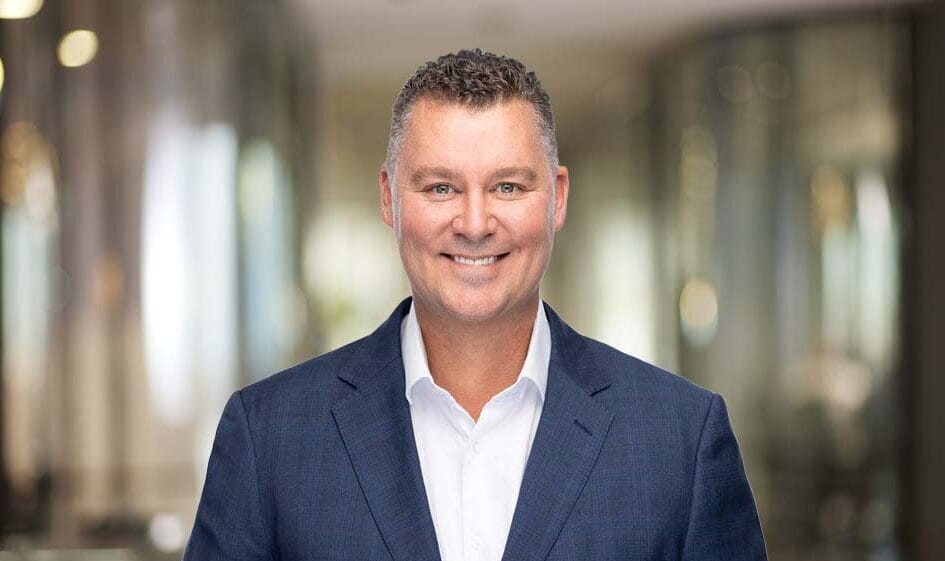
Fast forward to July this year, when Centuria Bass copped a downgrade from SQM Research and Stone's role in the Centuria Bass-Bathla relationship became the subject of media scrutiny, and Centuria Bass instead sought to downplay the importance of Stone's deep Bathla insights.
"Mr Stone joined Centuria Bass Credit in April 2025 and while Mr Stone previously worked for a Bathla Group entity for 12 months, he has no ownership interest in, or control over, any Bathla Group entity," it said in a statement. "Mr Stone is not a voting member of the Centuria Bass Credit investment committee and has no voting influence over the approval of any Bathla group loan facility." This is a parable of highly uncertain assets and liabilities; why should the humans in it be any different?
A few things to remember. Firstly, the Rouse Hill project represents about two-thirds of CBC's total Bathla exposure, not all of it. Secondly, it's only fair to acknowledge the role played by three interest rate rises then Jim Chalmers' federal Budget ambush on the property sector in the deterioration of the project's viability (at least in terms of unsold apartment demand and pricing). However, according to the IM, the project should've been finished by May 2026. It was 83 per cent complete when it was refinanced in December.
As always, behaviour comes down to incentives, and private credit managers get paid when they deploy their client funds (and their back leverage from international banks) in new loans. What has objectively followed is that private credit firms have pumped loan volumes to pump the value of their own businesses while being inadequately discriminating about their borrowers.
Bass Capital's co-founders Giles Borten and Nicholas Goh have played an absolute blinder, and all power to them. Centuria bought 50 per cent of their business in 2021, another 30 per cent in 2024 and finally acquired the last 20 per cent in February this year. Talk about timing! Centuria once gloated about its Bass acquisition, though not as much since Bass chopped $1 billion off its market capitalisation. Centuria shareholders have been left holding the bag.
 Joe Aston