
Craig Scroggie, speed demon
The Ginger Maniac has run NEXTDC off the road.

It's been eight years since I first raised the alarm over the conspicuous maladjustment of NEXTDC chief executive Craig Scroggie. Being from Brisbane was already a lead indicator of trouble, but driving a Ferrari with vanity number plates around Brisbane placed the Scroggmeister in a reserve category of mug lair with former Domino's televangelist Don Meij. Of course, any Ferrari owner who built their Aussie equities portfolio around Domino's and NEXTDC will now be in the process of downgrading to a Suzuki Swift.
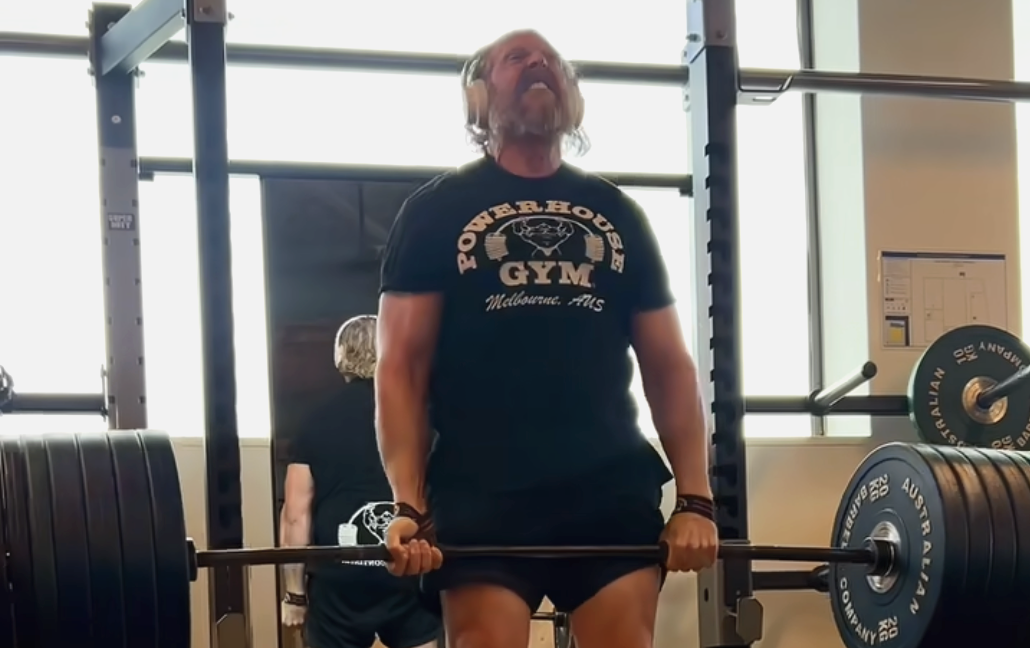
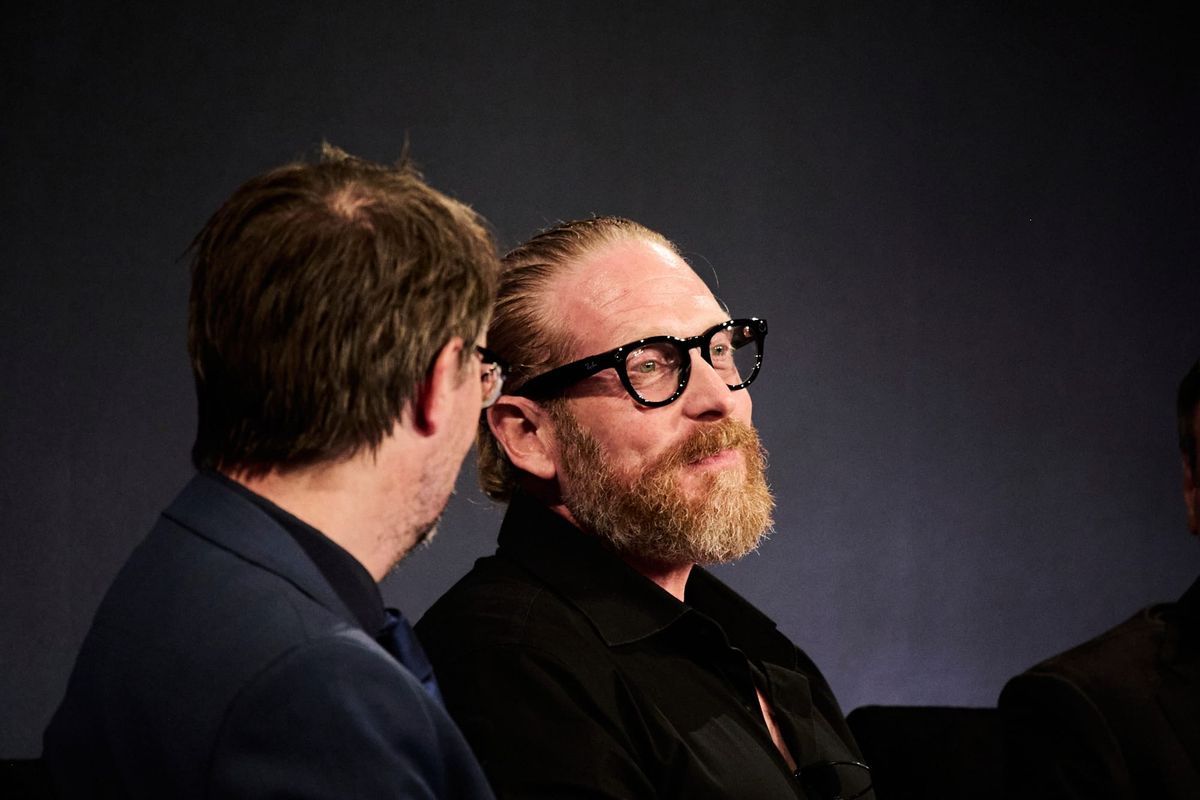
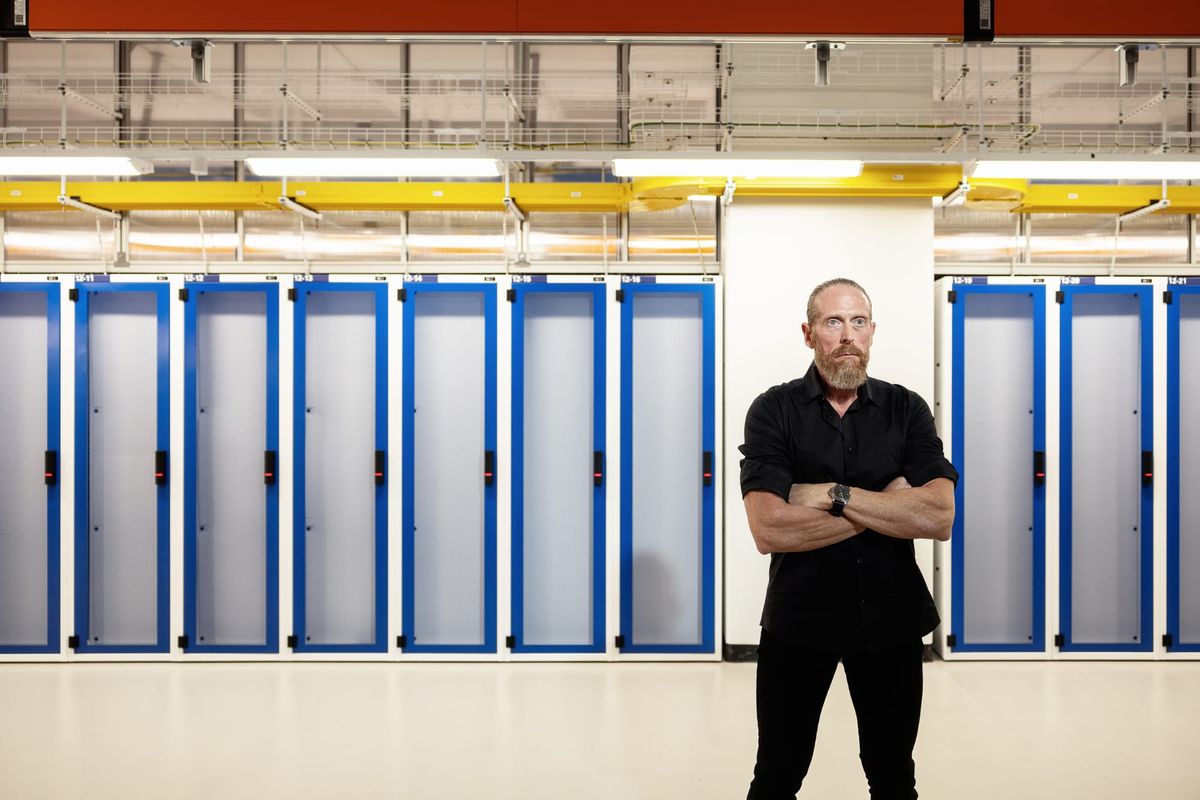
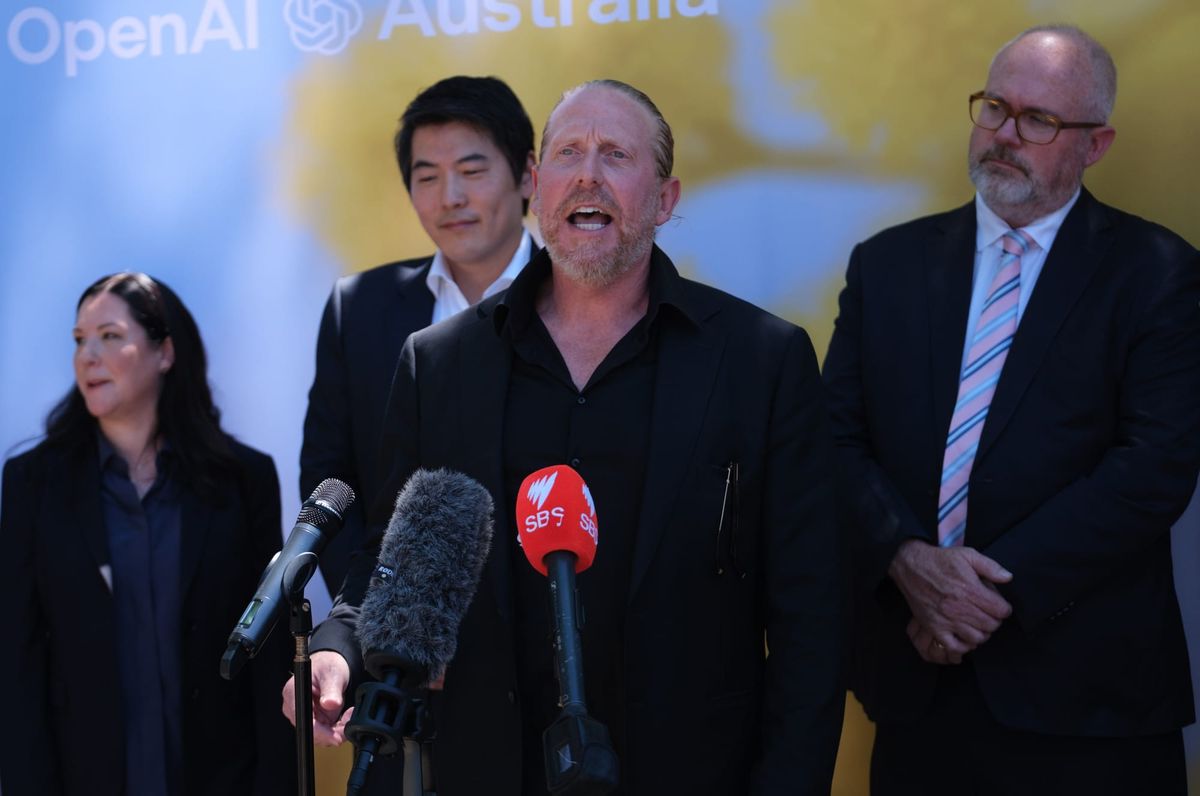
It is not hindsight bias to say Scroggie was a walking, talking red flag. The Ginger Maniac – as I christened him – felt compelled to boast on Instagram about his luxe life as a speed demon long before he felt compelled to boast on LinkedIn about his superhuman efforts as a powerlifter and an optimised being. It is therefore completely unsurprising he has now run NEXTDC off the road and wrapped it around a tree.
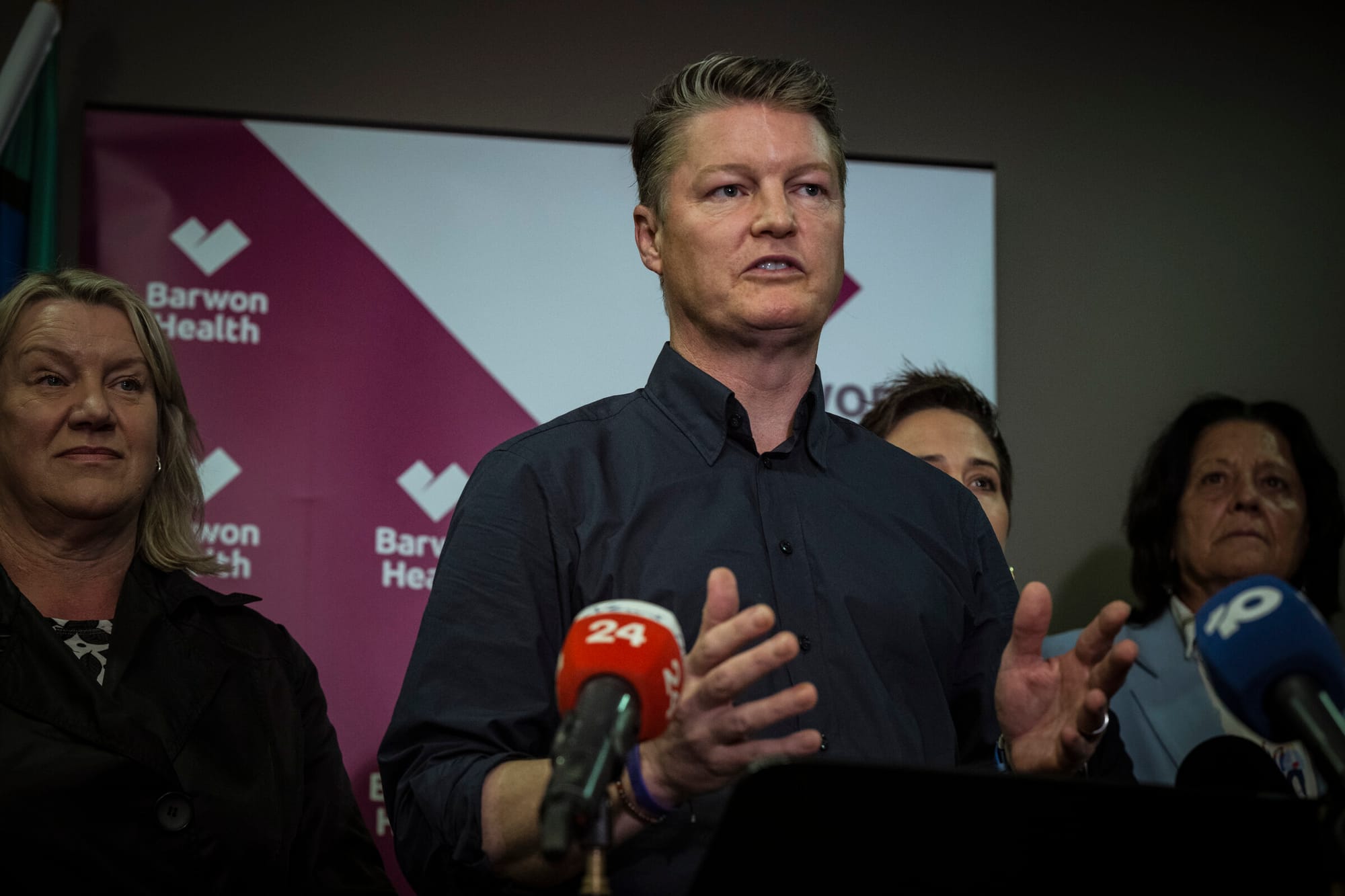
The company's shares fell 42 per cent on Wednesday after the company revealed a crippling earnings downgrade – and precarious balance sheet – as a result of delayed electricity upgrades to its M3 data centre in Melbourne's West Footscray.
All of a sudden, data centres face the dual tsunamis of constrained capital and community backlash against their operating impact. NEXTDC is demonstrating this in technicolour.
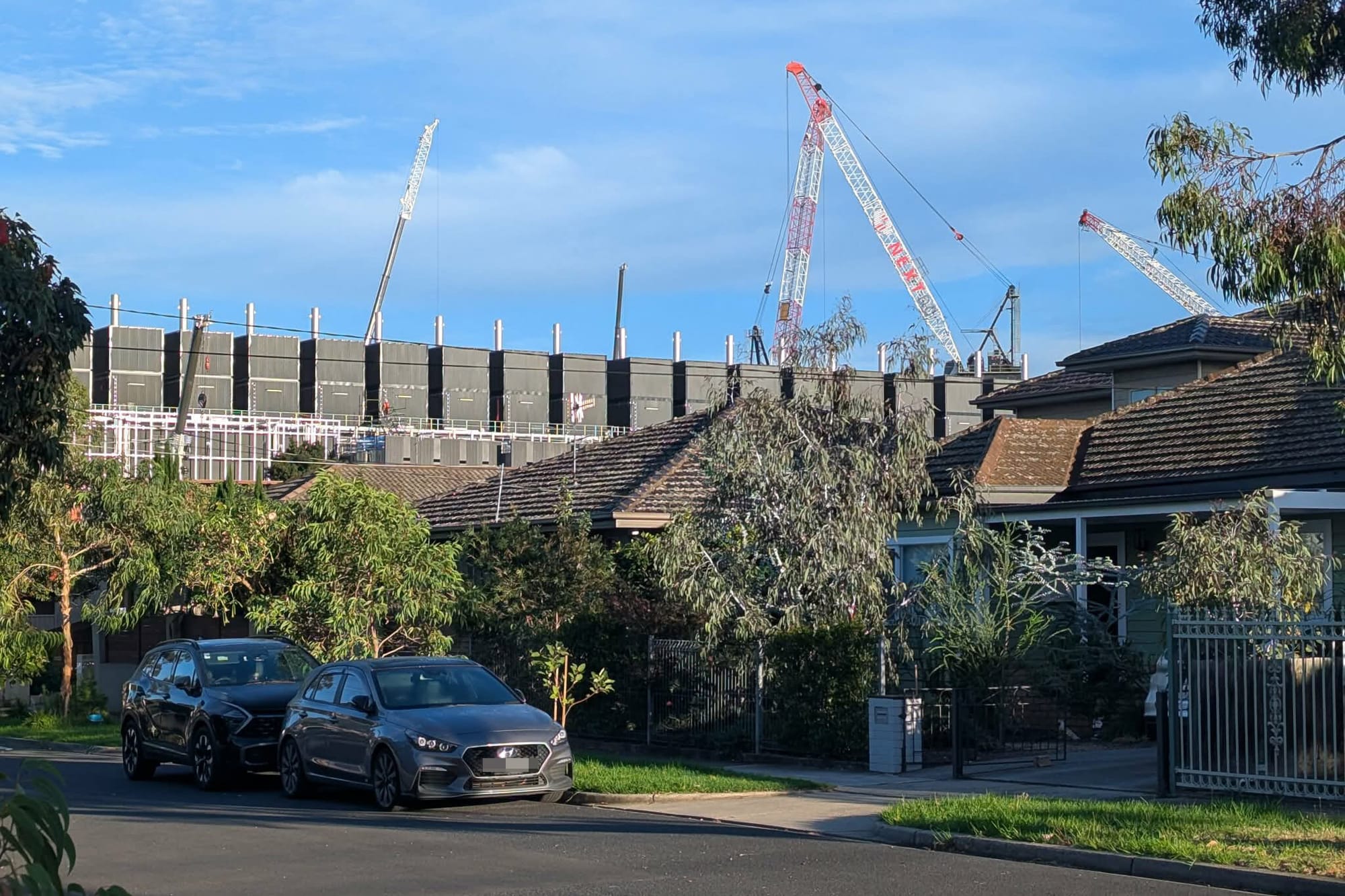
The headline issue for M3 is that its electricity needs to be conveyed at triple the voltage of its neighbouring residential power users and this means M3's electricity distributor, Jemena, erecting 22-metre concrete poles carrying overhead power lines to do so. Victoria's Labor government – which is trying to save the furniture, not Craig Scroggie's $112 million of bonus shares – and the local council have brought that roll-out to a screeching halt.
The overlooked issue is that further upstream of these unsightly power lines, NEXTDC has not been able to secure adequate electricity supply to support the increased future capacity at M3 it has already sold to a customer. NEXTDC's announcement on Wednesday confirmed that capacity will "depend on upstream transmission projects to install new transformers at [AusNet's] Brooklyn Terminal Station" and that "NEXTDC now expects the first of these projects to be completed later than previously expected".
We are left to guess when NEXTDC first expected that to be completed versus when it now expects it to be completed, but Jemena's public consultation paper in September 2025 was a pretty good indicator this supply was going to be a problem:
"Electricity demand at [Brooklyn Terminal Station] is soon expected to be one of the fastest growing in Victoria, with [Jemena] receiving more than eight (my emphasis) recent major customer data centre connection requests mainly within the Footscray and Brooklyn industrial areas... If only one of these data centre connections proceeds to full load, [Brooklyn Terminal Station] will have exceeded its full capacity."
The consultation paper outlined "a two-year construction time" for a single new transformer, which Jemena's subsequent draft report in August confirmed as the preferred option.[[The alternative was two new transformers – expandable to three – delivered over four to five years.]] The green light to proceed with installing this new transformer still awaits Jemena's final report due "by the end of 2026," though bear in mind the draft report arrived five months late.
Network upgrades of this nature are planned for and carefully scrutinised by the Australian Energy Regulator, because the upgrade costs are ultimately on-charged to all network users so that electricity distributors can earn their regulatory cost of capital. Airports are incentivised to gold-plate their terminals because they charge airlines (unregulated) usage fees linked to the airport's asset base, and electricity distributors are incentivised in precisely the same way. This is a long way of saying that if Jemena wasn't approved to augment substation access for Scroggie – which clearly it wasn't – it's not going to happen until it happens.
Local residents were never going to take Scroggie's 22-metre poles lying down, but whether or not a community relations barney and a network logjam were foreseeable is almost beside the point. The fact is that NEXTDC entered into supply-or-pay contracts with a customer before it had secured that supply, and that is just beyond loose.
"Those contracts provide for service level credits where capacity is delivered late or is not fully powered," went the company's ASX announcement. What a terrific euphemism! A few "service level credits" is undoubtedly what Scroggie is manifesting, but what he is more likely talking about here is substantial cash compensation. Indeed, the announcement admitted that "Service level credits payable on those contracts could reduce underlying [earnings before interest, tax, depreciation and amortisation] below the revised guidance." And bear in mind, EBITDA needs to remain at 1.5 times the company's net interest expense to avoid triggering its debt covenants.
Customers at M3 – whoever they are – chose Scroggie from a line-up over CDC's Greg Boorer, AirTrunk's Robin Khuda, Iren's Dan Roberts and every other hawker in this gold rush.[[While Macquarie has speculated that M3's major expansion customer is Amazon Web Services, we know for certain that Nvidia-sanctified neocloud SharonAI is an existing customer at M3 – though only in the existing halls; Shaz is therefore unaffected by the delays.]] It's like a Mr Universe competition, with Scroggie flexing in his tiny mankini, lathered in fake tan. Imagine the Ginger Maniac puffing out his chest, his mad preacher eyes screaming, Pick me, pick me!
 Joe Aston
For all the jargon data centres resort to, these are just construction contracts. There's nothing new under the sun. The Scroggmeister is building an air-conditioned shed and he's expected to turn it over to his customer so it can run its own businesses from there. That NEXTDC customer has self-evidently suffered detriment now that Scroggie hasn't delivered, and so have that customer's customers. He can call them "service level credits," but they're really just liquidated damages.
Scroggie is telling the market he can't get the power connected anytime soon because these woke Luddites in Yarraville are blockading his power poles with their (fringe benefits tax-exempt) BYDs. Mayor Mohamed Semra – the Mamdani of Maribyrnong – is getting in his way and Ben Carroll won't save him.
But at the risk of labouring the point, what public company CEO in his right mind would enter into output contracts without having secured the necessary power approvals?[[What CEO would only last month issue $1.1 billion of convertible notes without those approvals, for that matter?]] True to his name, the Ginger Maniac was promising something that was not in his control. It was not merely undue commercial risk, it was Russian roulette.
For all of the words expended in NEXTDC's announcement and Scroggie's subsequent investor call, the market has actually been entrusted with few of the particulars it needs to quantify the company's predicament.
We have no idea of the quantum of penalties due to the affected customer. And while we know the company's senior lenders demand an interest cover ratio of 1.5x, we don't know the definition of the numerator (EBITDA), which means we have no way of calculating if, indeed, all of the company's avowed $6.7 billion in "available" undrawn senior debt will actually still be available in three or six months. NEXTDC was already carrying $2.5 billion of net debt at June 30 and is forecasting $255 million of EBITDA in financial 2027.
What the market can deduce is that NEXTDC's lenders are now effectively in control. The company is openly exploring $750 million of land sales across four sites in Melbourne and Sydney – and what a tremendous time in the Australian property cycle to be selling undeveloped land on the urban fringes. In any event, with $4.8 billion of capex on its plate in this financial year alone, $750 million will barely touch the sides.[[We learned that management has "taken the decision to pause projects that aren't backed by a customer contract", and we can infer from commentary in the investor call that this accurately describes four of its major pipeline sites! The market always suspected NEXTDC was developing projects on spec, but investors are shocked by the extent of it.]]
NEXTDC was until Wednesday a hyper-growth company with unending customer demand and fabulous (anticipated) margins, and now power delays at one data centre have it hocking the family silver. If this was just an M3 issue, the company would self-evidently not be doing this. But equity markets, debt markets and secondary issuance markets (convertibles, warrants, et cetera) are all closed to NEXTDC, and the board of directors is plainly staring insolvency dead in the eyes. What a swansong from chairman Doug Flynn – an Australian business legend.
Bear in mind this is only what we know so far. It is inconceivable there won't be another plot twist here in the coming weeks. Any functioning board would at this point be inviting Scroggie to spend a lot more time with his family – something by his own admission he's studiously managed to avoid thus far.
Charlie Munger had many fabulous aphorisms, but none more so than "Show me the incentive and I will show you the outcome". When NEXTDC's board signed Scroggie up last April to his $112 million "growth incentive plan", he was always going to lever the business to get there because it was a per share measure. They were all but daring him to swing for the fences, and here we are. The directors can hardly be surprised.
 Joe Aston
I'm only impressed by how quickly Scroggie got the job done – what, between his Masters basketball commitments, 40 chatbots, five hours of sleep a night, 220-kilogram dead lifts, his motivational books and podcasts on 3x speed, and his weekends away with Matt Barrie, Cliff Obrecht, Scott Farquhar and Mike Cannon-Brookes (AKA Double Bay Jesus).
The Ginger Maniac might be subsisting on a schedule of cutting-edge peptides, but I just want to know if there's a peptide out there that can suppress my schadenfreude. This evil euphoria cannot be good for me.
It is incredibly uncouth, I admit, to quote yourself, but here's how I finished my previous column on Scroggie not even three months ago:
"But does [Scroggie] have the skills to navigate NEXTDC through the next five years? The skills he needs now are interpersonal skills – the capacity to listen to and persuade governments and local communities. It's only natural to fear that an individual who hangs onto reality by such a thin thread will potentially do something stupid, especially when doing so becomes entirely consistent with that speck on the horizon that are his equity incentives… If you look at the decisions Scroggie makes to optimise his life, they're made with the same set of neurons that are relied upon to make decisions about shareholder capital, and frankly, that's a bit f—ing scary."
 Joe Aston
 Joe Aston
A footnote has been added to clarify that existing M3 customer SharonAI is not affected by the power delays.
Monthly membership
Read beyond the headlines.
Independent reporting. Sharp analysis. Get full access to Rampart, one month at a time.
A$65 /month
Get accessAlready a member? Sign in


