
KPMG's Canberra blockbuster
If you're prepared to cheat your way into an audit contract, what might you do to keep one?

In the last month, I've seen Christopher Nolan's The Odyssey and binged the latest series of The Agency, on which Hollywood spent a combined US$500 million ($700 million) to render the duplicity and folly of man as blockbuster entertainment.
Yet in that task, neither held a candle to the public hearings of the Parliamentary Joint Committee on Corporations and Financial Services two Fridays ago in Canberra. I won't pretend ParlView is the world's most dynamic AVOD platform, but it is deep in an indie-budget programming purple patch after the runaway success of its PwC tax leaks scandal inquiries of 2023 and 2024. They really should call this series, Why the F— isn't Deb O'Neill a Cabinet Minister?
A star-studded cast
The stars of the latest riveting show were KPMG's expelled COO Eileen Hoggett and Westpac's former signing auditor Kim Lawry, alongside a star-studded supporting cast of former KPMG chairman Martin Sheppard and his successor Michael Ebeid, former CEO Andrew Yates and Allens' head of investigations Ross Drinnan. Even Macquarie chairman Glenn Stevens, Dexus chair Warwick Negus and Westpac director Michael Ullmer had memorable walk-on roles.
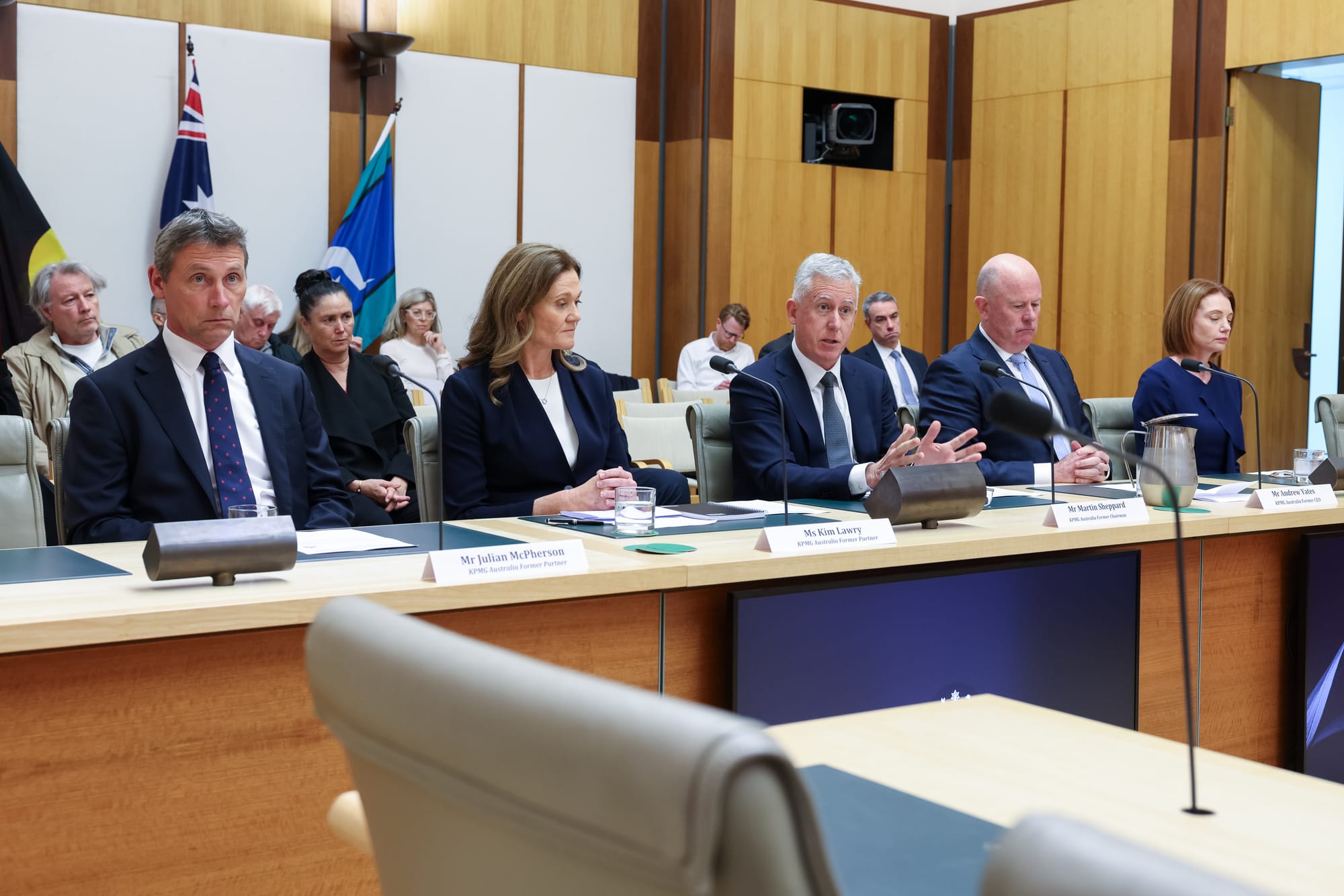
For those in need of a refresher, an internal KPMG whistleblower alleged that – among other things – the firm used the confidential information of its client Lendlease to help inform competitive tenders for Westpac's audit work. In September 2025, KPMG brought in Allens, which failed to search KPMG's email system and three months later produced a vindicating report of almost celestial sophistry.
In truth, confidential Lendlease documents were shown to the KPMG team bidding for Westpac's audit contract in 2023 and Eileen Hoggett secretly kept printed copies of Lendlease documents in her office locker for colleagues to inspect. Those revelations in recent months forced the departures of Hoggett, Lawry and several others.
Lawry deserves a gold statuette for her stammering performance in Canberra. She "recognised the seriousness" of what had occurred and had "taken accountability" yet maintained a litany of disturbing rationalisations for: attending a meeting on October 10, 2023 entitled "[Westpac] – Eileen sharing EY/PwC feedback from Lendlease tender"; for taking photographs of a confidential document from Lendlease's audit tender process in that meeting; and for emailing them to another colleague.
Lawry refused to give a yes or no answer to Senator Paul Scarr's question, "Did Westpac ask KPMG to remove you as [its] lead audit partner?" (hint: you betcha Westpac did) and when both Scarr and committee chair Deb O'Neill put to Lawry that accessing and sharing the document was a breach of her professional duties, Lawry repeatedly denied that was the case.
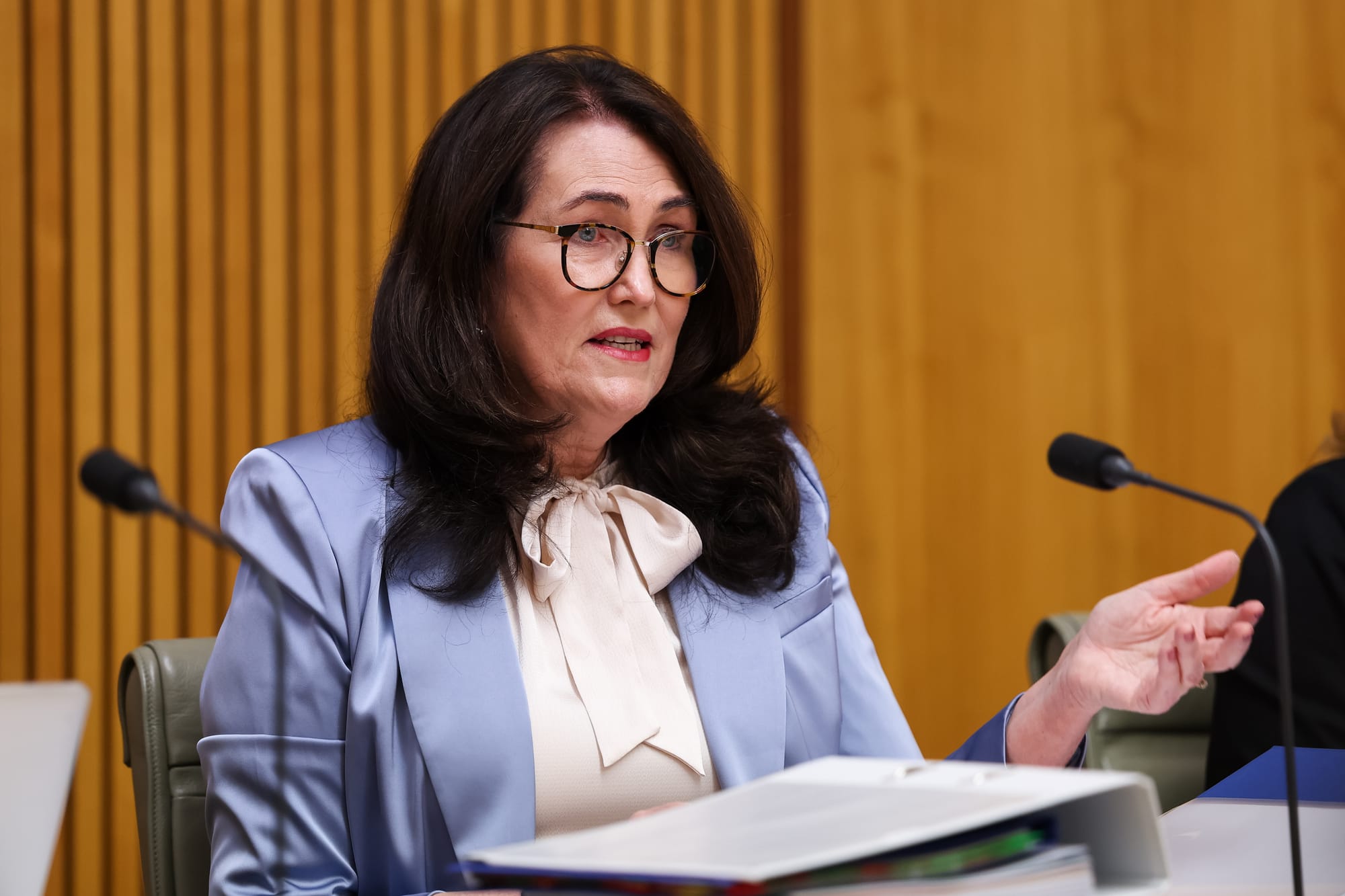
"I've been very open and transparent in all my dealings with all the investigations and reviews that I've participated in," Lawry claimed, despite not telling any of those investigations or reviews she photographed the document and forwarded it. That was because "I don't recall that component of the meeting" and "It wasn't the main part of the meeting that we were there for," despite this "part" of the meeting being the name of the meeting.
Lawry then claimed the document "was not of use or particular relevance to me," which begs the question of why she took a screenshot of it. Furthermore, "I don't know if I took the photo or if it was sent to me, I'm not aware." The time and date of the meeting is known, so she could've made herself aware by checking her phone's photo library. Or did Kim use her secret lapel camera given to her by Q from MI6?
The next step on Lawry's ladder of minimisation was, "The tender scorecards are… shared generally as part of an RFP process, so they are quite common and commonly shared – provided by the client themselves – when you're conducting an audit tender." But this document was a Lendlease document and Lendlease was not Lawry's client. Eileen Hoggett was Lendlease's signing audit partner and provided the document to Lawry to assist KPMG's competitive bid for the Westpac audit contract. "I don't recall being aware that [the document] was confidential at the time." Did Kim think Eileen had found the document in a Reddit thread?!
Hogwash
The obvious and frankly only reason these two unalike companies were being compared was because they shared a common director in Michael Ullmer. Lawry's rejection of this link was risible. "I don't know [why the document was relevant], because… a real estate company and a bank are very different and… at that point we didn't know what Mr Ullmer's role would be in the Westpac audit tender." Who is she kidding? At that point, she knew Ullmer was Lendlease chairman, she knew he was also a member of the Westpac board's audit committee, and she knew he was a former KPMG audit partner. All, apparently, irrelevant![[And, in fact, this contradicts Hoggett's evidence to KPMG's first Allens investigation that "one of the reasons for the discussion with the Westpac audit tender team was that Westpac and Lendlease shared a board member."]]
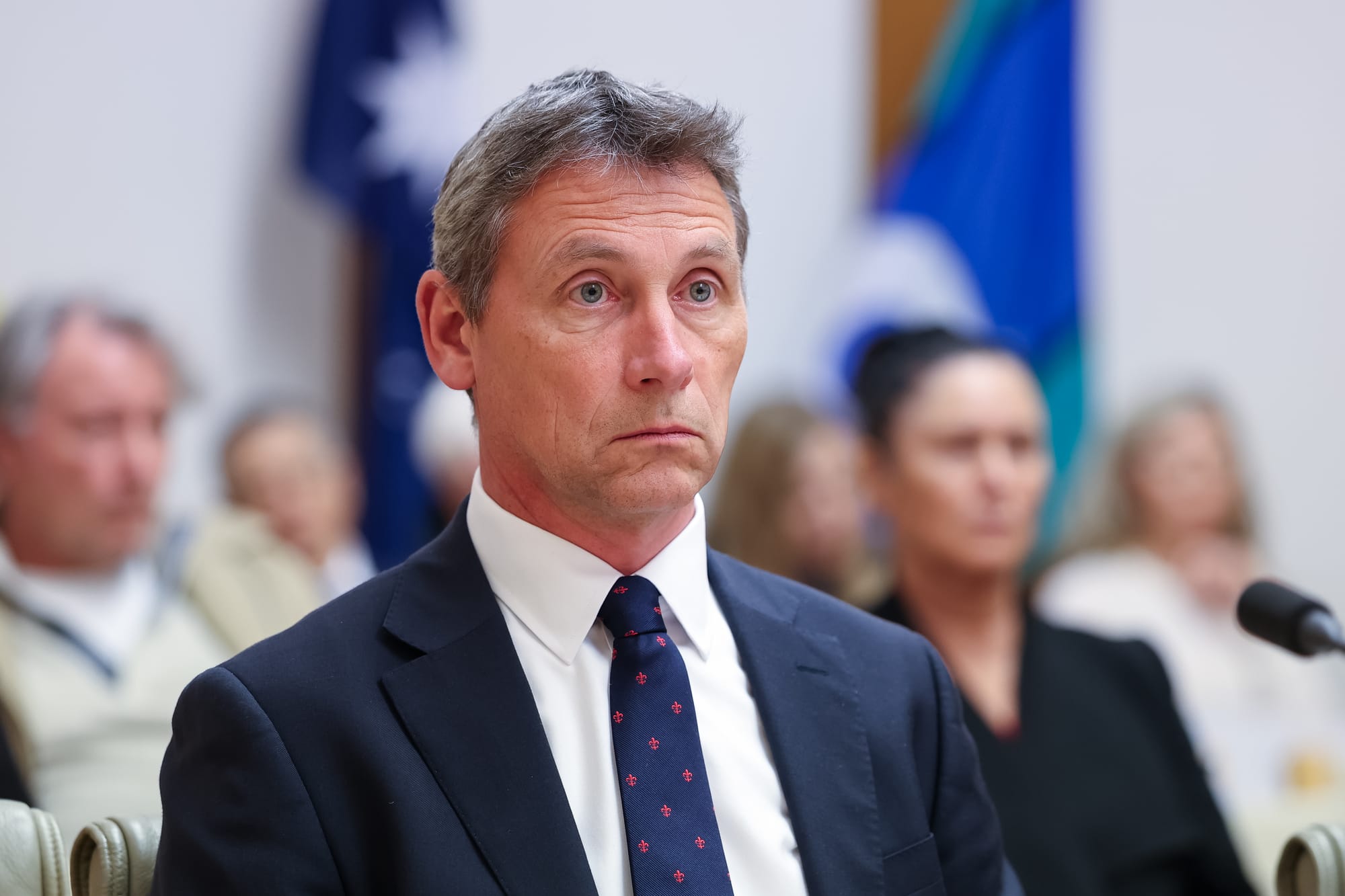
Lawry was like jelly on the wall. Her incoherence was just amazing, and as her irrational evidence tumbled out, the expressions on the faces of the two witnesses flanking her – Sheppard and KPMG's former audit boss Julian McPherson – were so telling. McPherson looked as though someone had rubbed a dog turd on his top lip, like a man aware of a terrible proximate stink he mustn't under any circumstances acknowledge.
Eileen Hogwash, like Lawry, was disassociating. "I became aware of this email three weeks ago," she said in reference to a May 2023 email she herself wrote! In that email, she had invited a colleague to "sensitively" look at the confidential Lendlease documents stored in her locker "without letting too many people know".
She swore black and blue to Allens she never shared printed Lendlease board documents, and now it's turned out that she did, she's insisting, "I've not been dishonest at all". Eileen's also saying, "I'm not here to defend or minimise the fact that the documents were printed and put in my locker, but I'm not aware the documents were distributed widely or used to win new work."
They all keep hanging onto this ludicrous idea that no commercial advantage was gained in the accessing and sharing of confidential client information. For what other reason would you do it? Why risk your entire livelihood for nil benefit? I'm Eileen, I'm Kim, and we're sharing our clients' documents for no reason. We're just hanging out with their confidential information. They certainly achieved a commercial disadvantage once their clients found out about it – plunging KPMG into a new revenue ice age.
Eileen can't believe KPMG expelled her "based on one conduct matter". "I've been at the firm for 33 years since I was 20 years old [and] I've never had a conduct matter". She really hasn't comprehended the enormity of what she's done – as distinct from what's happened to her. Darl, you can have an exemplary record but there are no three strikes let alone second chances when you transgress monstrously.
No road back
All these years Ms Hogwash was chugging down the loot and winning audit clients hand over fist. With them came entrée to the boards, the c-suites, the sphere of influence, and she could almost taste her runway off into NED land. Until slipping on Barangaroo's biggest banana skin, Eileen imagined herself as the next Michelle Hinchliffe – the KPMG auditor who joined the board of Macquarie then helped award Macquarie's lucrative audit contract to KPMG.[[And Macquarie chair Glenn Stevens was another witness before the committee hearing two Fridays ago answering questions about that.]] She was already serving as a director of the Victor Chang Institute alongside A-listers Matthew Grounds, Elizabeth Gaines and Philip Lowe. Once you reach the ornamental charity boards you are one step away from social greatness.[[Hoggett is, as of now, still a Victor Chang Institute director. It's frankly incredible the board hasn't yet engineered her departure.]]
Eileen is reconstituted roadkill, though that's not how she sees herself. She's a good person, and this was not in her life plan. It takes an immense mind shift to process this kind of ignominy, and Eileen's just not there yet. Her body can feel it, her pursed lips tell the story, but she can't bear the truth that it's not so much a long road back as no road back. Where to from here? She'll have to go fishing with Tom Seymour.
The testimony of Allens' Ross Drinnan, meanwhile, was pure bravura. His responses came in obfuscatory legalese while he swirled his wrist as if stirring an olive in his martini.
Credibly justifying Allens' decision not to conduct a forensic examination of KPMG's email system in its initial investigation was always going to be the equivalent of a front four-and-a-half somersault.
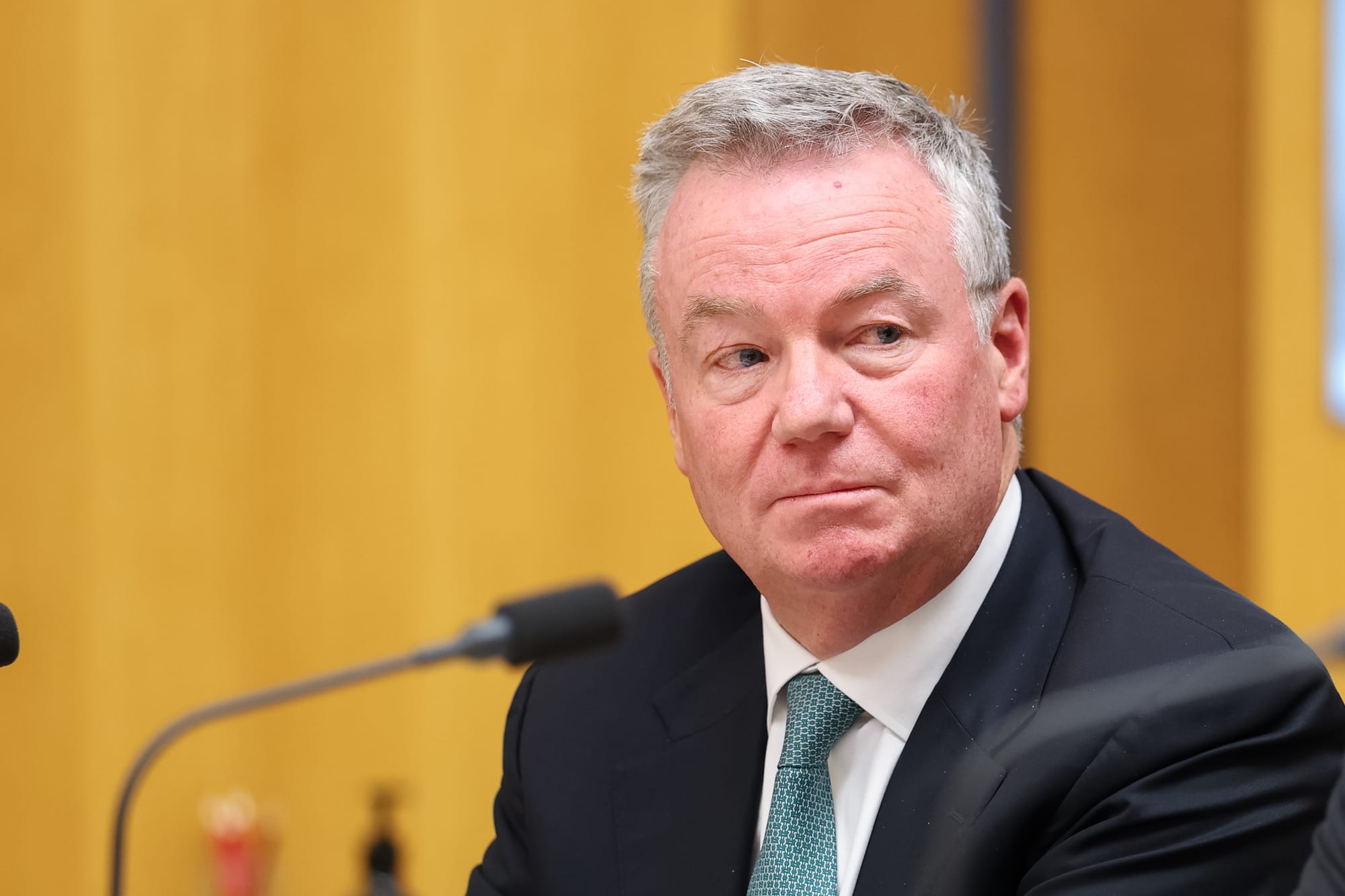
Because three KPMG partners had in their interviews with Allens admitted to wrongdoing – that is, sharing the Lendlease document in the October 2023 meeting – Drinnan "formed a view, later in the progress of the work, after conducting interviews and so forth, that the forensic searches of emails were disproportionate in the circumstances." They admitted they were dodgy, ergo we could trust them. Makes perfect sense!
But Allens should never have formed this view after conducting interviews with the partners. Allens' scope of work clearly set out that "targeted searches and extraction of emails" would be conducted in phase 3 of the investigation while interviews with KPMG partners and employees was supposed to be phase 4. To the best of my knowledge, Allens has never explained why its agreed chronology was not adhered to.[[I asked Allens about this, but the firm declined to comment.]]
The flagship allegation from the whistleblower was that "KPMG's Lendlease audit team stole confidential Lendlease board papers and circulated them internally to support bids for the Westpac and Dexus audits." Allens relied on the narrowcast definition of "theft" – triggering the incredibly high bar of both proof and intent – to find this allegation was "not substantiated". KPMG then used that finding, its entire basis obscured by the cloak of legal professional privilege, as ballast for its failed cover-up.
"If I knew then what I know now..."
It's no wonder people hate lawyers almost as much as they hate politicians and journalists. The sick thing is that Drinnan – taking bullets in his Kevlar suit – just pulled off one of the greatest business development performances of his professional life. Buried in his word salad was Allens' message to transgressive corporations everywhere: exoneration can be yours for just $1,200 an hour. Drinnan would've been sitting in the Canberra Chairman's Lounge that Friday evening with his martini, exclaiming, Well, that went jolly well![[Drinnan's wife Kate Towey is Qantas general counsel so you'll certainly never find him in the Qantas Club.]]
In the mountain of incongruous evidence came the notable cameo of KPMG's fallen chair Martin Sheppard. When chair Deb O'Neill rebuked him for omitting key documents from KPMG's response to the committee's order for production in May, he conceded that, "I appreciate now there was a gap in the information that was given to you, senator... I've reflected deeply on the position I took around the provision of information. It was a very difficult decision. I thought I was making the right judgement based on the advice that I had. If I knew then what I knew now, I would've been far more forthcoming with that information."
Oh, Sheppard knew enough! He was privy to the flimsy basis for Allens' whitewash. He knew of the other admitted wrongdoing. All he knows now that he didn't know then are things he was trying desperately not to find out.
None of this concerned him at the time. He was Martin Sheppard, minimiser-in-chief. He was terribly busy hosting sleepovers at his home for Westpac's audit committee chairman Peter Nash during KPMG's successful tender for Westpac's audit contract.[[Nash is also a former KPMG chairman. He technically excused himself from Westpac's audit tender process in 2023 and 2024, though evidence has emerged he was involved. He resigned abruptly from the Westpac board last month.]]
 Joe Aston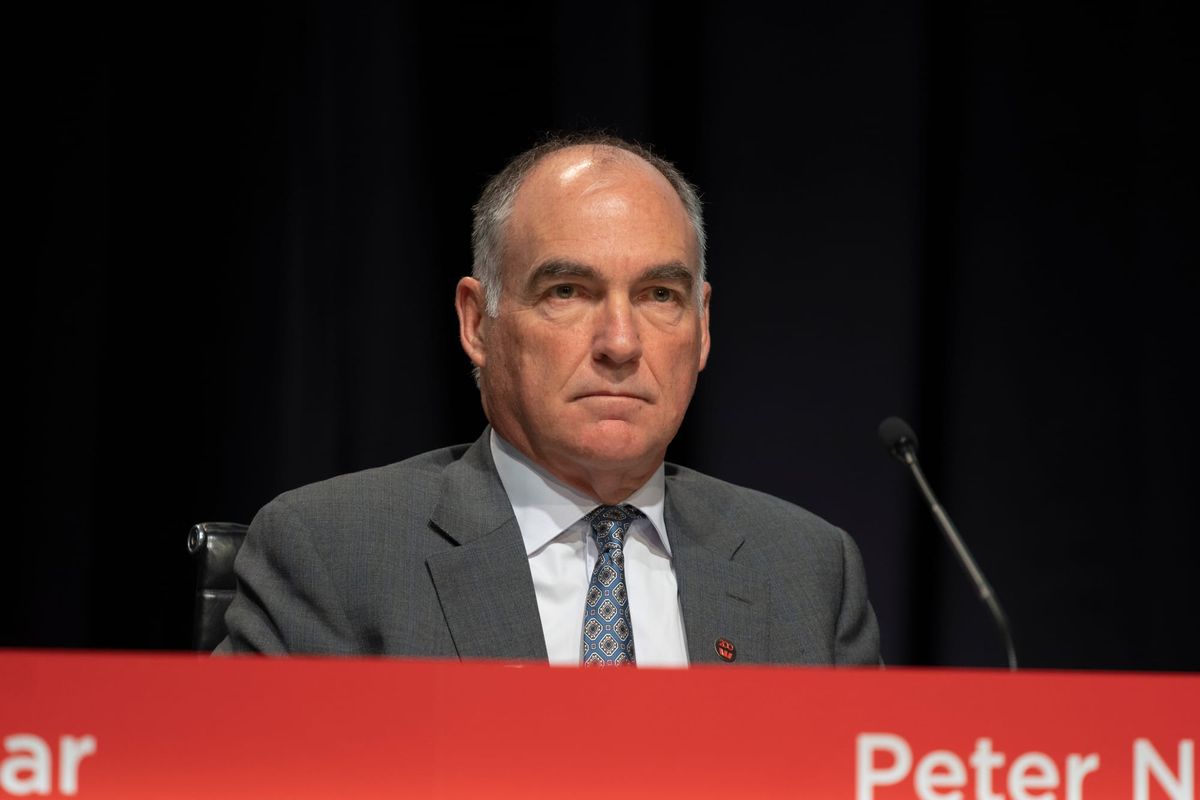
Now Sheppard has the rest of his life to live – rounds of golf to play. His successor Michael Ebeid told the hearing, "I thought it was really important for me to step forward and bring my experience outside of the firm," despite serving on the KPMG board sub-committee that established and supervised the Allens absolution. Ebeid will also have thought it important to be paid $1 million, since nobody else in corporate Australia will pay him half that.
These people are easy to laugh at, but what's been uncovered here by the Parliament and by my former colleagues Ed Tadros and Hannah Wootton is incredibly serious. As investors in, and creditors to, public companies, we rely on audit firms to be honest in the performance of their duties to provide third-party assurance of financial accounts.
There are major implications in the revelation that they are doing this while being dishonest and dishonourable in the process of acquiring that work. If they are prepared to do that, what might they be prepared to do to retain the work? What happens when a Corporate Travel or iSignthis or Freedom Foods executive says, Don't worry about that mate, just look the other way for us, will you? If you're prepared to compromise yourself on the way in, what might you do on the way through? That's the issue. It really is the issue.
It's always the lies you tell yourself, and if you can be a leader in your field, astride a firm of 13,000 people, and dress up your implicit motivations of greed with the explicit motivations that I'm a good person, that I hold myself to high ethical standards, then what the f--- else can you lie to yourself about? You can certainly compromise your principles to sign off on sets of public company accounts that you shouldn't.
It is very clear these KPMG parasites are not motivated by anything more than money. There's status and power, of course, but these are bean counters and the beans they're most interested in counting are their own. What am I prepared to do in order to win the next lick of business and climb up the greasy pole? Almost anything.


